Historic Homes to Tour in the South: 6 Estates Worth Seeing
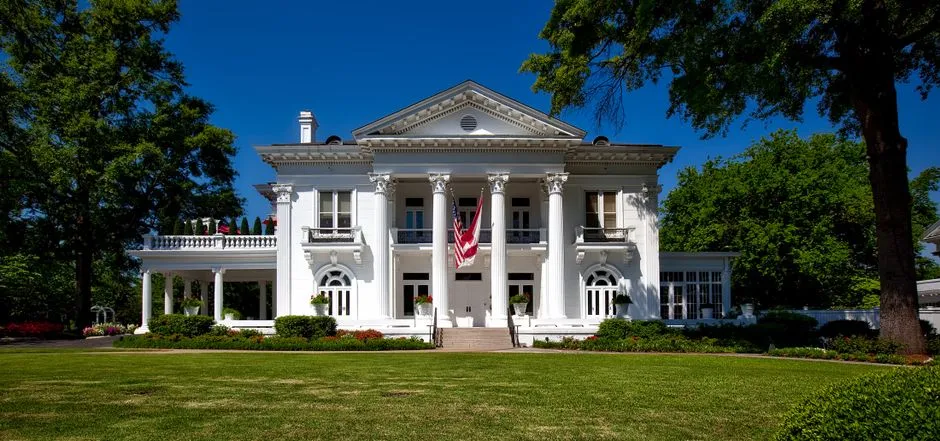
The Best Historic Homes to Tour in the South
The South's most rewarding historic homes to tour are Biltmore in Asheville, Monticello in Charlottesville, Middleton Place and the Nathaniel Russell House in Charleston, Longwood in Natchez, and The Hermitage outside Nashville. Each is a genuine house museum open to the public, each tells a distinct chapter of Southern history, and each rewards a half day or more — not just a quick walk-through.
That's the short answer. The longer answer is that these six span nearly two centuries of architecture and ambition, from a Federal-era townhouse to America's largest private home, and the best of them are honest about the enslaved people whose labor built and sustained them. Here's how they compare, and what each one is actually like to visit.
Six Estates at a Glance
| Estate | Location | Why Go |
|---|---|---|
| Biltmore | Asheville, NC | America's largest private home, plus Olmsted-designed grounds |
| Monticello | Charlottesville, VA | Jefferson's self-designed masterwork; strong slavery interpretation |
| Middleton Place | Charleston, SC | Among America's oldest landscaped gardens, on the Ashley River |
| Nathaniel Russell House | Charleston, SC | Federal-era refinement and a famous free-flying staircase |
| Longwood | Natchez, MS | An octagonal mansion frozen mid-construction by the Civil War |
| The Hermitage | Nashville, TN | Andrew Jackson's Greek Revival estate and its full, complicated story |
Biltmore — Asheville, North Carolina
Biltmore is the largest privately owned house in the United States, a French Renaissance-style chateau completed in the 1890s for George Vanderbilt. The self-guided house route moves through banquet halls, a two-story library, and remarkably intact working spaces below stairs. Budget a full day: the grounds, shaped by landscape architect Frederick Law Olmsted, are a destination in themselves, and the walled and azalea gardens hold their own against the region's best botanical gardens.
Best for: travelers who want Gilded Age spectacle at maximum scale.
Monticello — Charlottesville, Virginia
Thomas Jefferson designed, built, and endlessly revised Monticello himself, and touring it feels like walking through his mind — alcove beds, dumbwaiters, a dome room, gadgets everywhere. It is a UNESCO World Heritage Site, and its interpretation is among the most honest in the country: tours and exhibits along Mulberry Row engage directly with the lives of the enslaved families, including the Hemingses, who made the mountaintop run.
Best for: visitors who want architecture and history interpreted with real candor.
Middleton Place — Charleston, South Carolina
Middleton Place pairs a house museum with terraced gardens that rank among the oldest landscaped gardens in America, laid out in the eighteenth century above the Ashley River. The original main house was burned in the Civil War; tours center on a surviving flanker building furnished with family pieces. The site also interprets the lives of the enslaved people who built and worked the plantation, and the camellia season in late winter is quietly spectacular.
Best for: garden lovers — this is where estate touring and Southern garden travel overlap completely.
Nathaniel Russell House — Charleston, South Carolina
For a counterpoint to sprawling country estates, tour this Federal-style townhouse in downtown Charleston, completed in 1808 for a Rhode Island-born merchant. Its signature is a cantilevered spiral staircase that appears to float unsupported through three floors — one of the finest of its kind anywhere. The restoration is meticulous, and guided tours address both the ornament upstairs and the enslaved and free workers who sustained the household.
Best for: architecture buffs and travelers already spending a weekend in Charleston.
Longwood — Natchez, Mississippi
Longwood is the largest octagonal house in America, and its power comes from what was never finished. Construction for planter Haller Nutt halted when the Civil War began; the family lived in the completed basement level while the floors above remained bare brick, scaffolding, and abandoned tools. Touring it today, you move from furnished rooms into that vast unfinished shell — the most vivid picture of the war's sudden rupture you'll find in any Southern house.
Best for: anyone drawn to atmosphere and unvarnished history over polish.
The Hermitage — Nashville, Tennessee
Andrew Jackson's Hermitage centers on a Greek Revival mansion with a remarkable amount of original furnishing, set on grounds that include the garden where Jackson and his wife Rachel are buried. The site has invested seriously in telling the whole story, with exhibits and tours devoted to the enslaved men, women, and children who lived and labored here. It's an easy add-on to a Nashville trip and pairs well with a broader Tennessee itinerary.
Best for: presidential-history travelers who want context, not hagiography.
Planning Your Visit
A few habits make these tours dramatically better:
- Book ahead. House tours at major estates are timed and can sell out in peak spring and fall.
- Go early or late. First and last tours of the day are smaller and quieter.
- Pair houses with gardens. Most of these estates sit near great public gardens, so build the trip around both.
- Confirm details directly. Hours, tour formats, and admission change often — always check each site's official channels before you travel.