Historic House Tour Tips: What to Expect
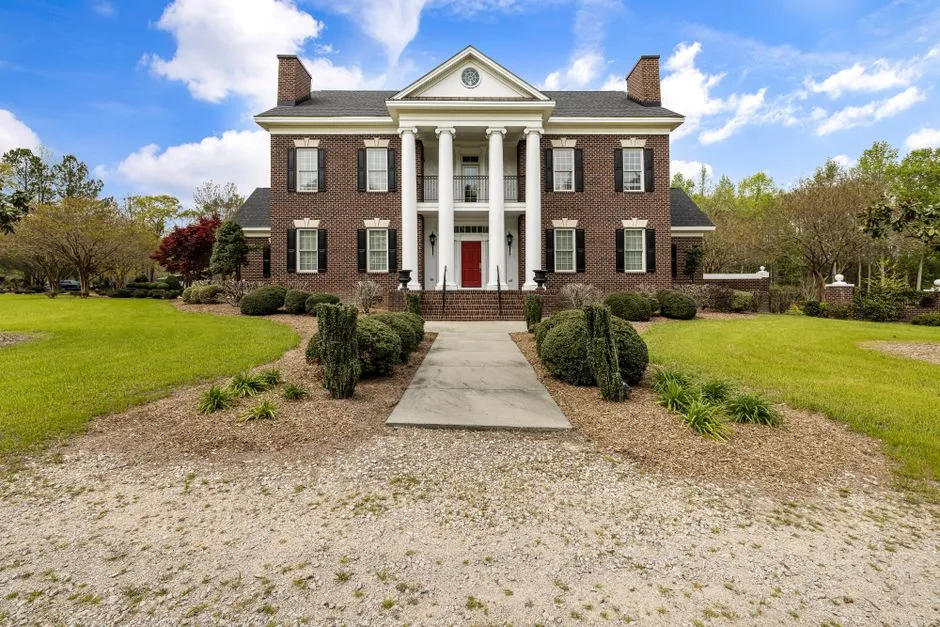
- What to Expect on a Historic House Tour
- Before You Book, Choose the Actual Tour
- Check Accessibility Before Arrival
- Pack Light—Historic Rooms Were Not Built for Daypacks
- What to Wear
- Arrive Early, Especially for a Timed Tour
- Historic House Museum Etiquette
- Ask Better Questions
- Read the House, Not Just the Furniture
- Leave Time for the Grounds and Orientation Exhibits
- A Final Five-Minute Checklist
- Sources
What to Expect on a Historic House Tour
A historic house tour is usually a timed visit through furnished rooms, led by a guide or managed along a controlled self-guided route. Before you go, reserve the exact tour you want, check accessibility, and read the current policies for bags, photography, food, strollers, and arrival time. Wear comfortable shoes, bring less than you think you need, and expect stairs, narrow passages, outdoor walking, or stretches of standing.
Inside, the etiquette is simple: stay with the route, do not touch objects or lean on barriers, silence your phone, and follow the guide's photography rules. The more interesting part is learning to look beyond grand rooms and famous owners—to the people who designed, built, cleaned, cooked, gardened, raised children, and labored there, often without leaving equal records behind.
Before You Book, Choose the Actual Tour
Historic properties often sell several experiences under one destination name: a standard house tour, a behind-the-scenes route, a grounds ticket, an architecture tour, a family program, or a focused tour about labor, decorative arts, or particular residents. Read what your ticket includes.
Check these six details on the official site:
- Is the interior guided, self-guided, or accessible only by timed tour?
- How long does the listed experience last?
- Which buildings, floors, and gardens are included?
- Must tickets be reserved, and what happens if you arrive late?
- Are any rooms or paths currently closed?
- Does the interpretation cover the subjects you care about?
Do not rely on a travel blog's old price or a search-result snippet for current logistics. Houses change routes for conservation work, weather, staffing, private events, and seasonal schedules. A beautifully researched itinerary can still lose a wrestling match with Tuesday hours.
Check Accessibility Before Arrival
Historic buildings can present real access barriers: steep original stairs, narrow doors, raised thresholds, uneven floors, gravel approaches, and upper stories without elevators. “Accessible grounds” does not necessarily mean every room on the house route is accessible.
Look for a dedicated accessibility page, then contact the site if it does not answer your specific needs. Ask about:
- The route from accessible parking or drop-off to check-in
- Surface materials, slopes, steps, thresholds, and door widths
- Wheelchair or mobility-device access on each floor
- Seating during the tour and the amount of standing
- Accessible restrooms
- Service-animal policies
- Captions, audio description, assisted-listening devices, large print, tactile materials, or sensory resources
- Alternatives for inaccessible rooms, such as photographs or virtual tours
The National Park Service's accessibility guidance for historic properties recognizes that a photo or audiovisual program may sometimes provide access to an upper floor that cannot be physically modified. Individual NPS homes show how varied the solutions are: the Frederick Douglass house offers a photo tour of its stair-only second floor, while the Lincoln Home lists accessible first-floor routes and several alternate formats. Those are examples, not network-wide promises. Confirm what your destination provides now.
Pack Light—Historic Rooms Were Not Built for Daypacks
Bring the smallest bag you can manage. Some houses prohibit large bags, backpacks, luggage, umbrellas, strollers, food, and drink inside, while others offer storage or let you leave items at a visitor center. Policies differ, and storage may not exist.
The reason becomes obvious once you enter a narrow hallway beside an old table: a backpack adds a moving blind spot behind you. Even where small bags are allowed, keep yours close to your body rather than swinging it from one shoulder.
A useful kit is modest:
- Phone on silent mode
- Ticket or reservation confirmation
- Necessary medication
- Compact weather layer
- Water for outside, if the property permits it
- A small notebook and pencil, if allowed
Leave food, open drinks, oversized camera equipment, and the heroic tote bag in the car or accommodation when safe to do so. Check the site's rules before leaving valuables anywhere.
What to Wear
Comfortable, stable shoes win. You may encounter polished wood, steep stairs, brick walks, gravel, grass, roots, and gardens softened by rain. Shoes that stay attached to your feet and do not have sharp heels are kinder to both you and historic floors.
Dress for the weather even when the ticket says “house tour.” Check-in may be in another building, groups may wait outside, and a meaningful part of the property may be garden or landscape. Older houses also vary in climate control. A light layer solves more problems than a formal outfit.
Avoid bulky clothing or accessories that brush furniture. There is no general need to dress up. The portraits will not be offended; several of them have seen things.
Arrive Early, Especially for a Timed Tour
Plan to be at check-in at least 15 minutes before the stated start unless the destination asks for more. “Arrive” means parked, walked to the correct building, used the restroom, and checked in—not performing a dignified jog from the parking entrance while the group disappears through a locked door.
Some controlled house tours cannot admit late visitors once the route begins. Current National Park Service rules for Sagamore Hill, for example, say late arrivals are not admitted to the Theodore Roosevelt Home. That is a specific site's policy, but it illustrates why you should verify yours rather than assume five minutes will be forgiven.
If the estate is large, inspect the map before driving in. The gate, parking area, ticket desk, and house may be farther apart than the address suggests.
Historic House Museum Etiquette
Do not touch—even when the chair looks extremely sittable
Objects, walls, textiles, railings, and furniture can be vulnerable to oils, abrasion, and repeated contact. Follow barriers and use only the handrails or seating staff identify for visitors. The National Park Service's museum guidance tells historic-house staff to instruct visitors not to touch displayed objects or lean against walls and barriers.
If a drawer is open or a chair has no rope, that does not make it interactive. Ask. Museums that offer touch objects will tell you which ones they are.
Follow the photography rule in front of you
Photography policies vary. Some houses allow non-flash images; some ban all interior photography; some limit video, tripods, selfie sticks, or commercial use. A special loan exhibition may have stricter rules than the rest of the building.
Turn off the flash before the tour, not after it fires across the first bedroom. When photos are allowed, keep moving with the group, watch where you step, and avoid raising a phone in another visitor's face. The Eisenhower Home's published preservation guidelines, for example, prohibit flash photography, touching museum objects, and food or drink. Use a site's own current rules, not that example as a universal template.
Let the guide finish the thought
Questions make a tour better; side conversations usually do not. Wait for a pause, ask clearly, and leave room for other visitors. If your question needs a ten-minute specialist answer, ask whether you can continue it after the tour.
Children can enjoy historic houses, but prepare them for the format. Explain before entering that most objects are for looking, rooms may be small, and snacks wait outside. A family program or grounds-first visit may work better than a long decorative-arts tour. Check age guidance and stroller rules directly.
Ask Better Questions
“How much is everything worth?” has an answer, but it is rarely the most revealing one. Try questions that expose how the house has been understood and assembled:
- Which parts of the building are original, altered, or reconstructed?
- How did curators determine where these furnishings belonged?
- Who built the house and who maintained daily life here?
- Which residents left records, and whose lives must be recovered indirectly?
- How did the surrounding landscape support the household or business?
- What discovery has changed the site's interpretation recently?
- Which spaces are missing, inaccessible, or no longer standing?
At Southern estates tied to slavery, ask specific questions about the enslaved people who lived and worked there, how their experiences are interpreted, and what evidence survives. Do not treat that history as an optional sidebar to architecture. The labor, coercion, family life, skill, resistance, and survival of enslaved people are part of what the property was.
Our guide to historic Southern homes worth touring favors places where fuller interpretation is part of the visit, not an uncomfortable sentence near the exit.
Read the House, Not Just the Furniture
Look for transitions: a formal entrance versus a work entrance, public rooms versus service rooms, wide front stairs versus narrow back stairs, decorative gardens versus productive landscapes. Ask how food, water, fuel, laundry, waste, and messages moved. A house begins to feel less like a collection of pretty rooms and more like a system built around status and labor.
Also notice what is reconstructed. Historic houses rarely survive as sealed time capsules. Furnishings may be original to the family, correct to a period, borrowed, reproduced, or acquired later. Wallpaper, paint, and room use can reflect research and interpretation rather than an untouched past. That does not make the visit false; it makes the curator's evidence worth asking about.
Leave Time for the Grounds and Orientation Exhibits
The house is often only one layer. Visitor-center exhibitions may explain people and events that the furnished rooms cannot. Kitchens, quarters, workshops, cemeteries, farms, and archaeological sites can change how the main building reads. Gardens reveal work, design, economy, and changing taste.
If landscape is half your reason for going, pair the visit with one of the best botanical gardens in the South or explore our Historic Estates collection before fixing the route. Just confirm the current closing time: gardens have a habit of being largest when your afternoon is smallest.
A Final Five-Minute Checklist
Before leaving, confirm:
- Your date, entry time, and correct tour type
- Current hours and any closure notice
- Parking, check-in location, and walking distance
- Accessibility for the route you intend to take
- Bag, stroller, food, drink, and photography policies
- Weather and appropriate shoes
- Enough buffer to arrive early
Historic-house travel rewards preparation because the buildings cannot always bend around a casual arrival. Do the practical work first, then spend the visit asking who shaped the place, who was allowed to be remembered, and how the story is still changing.
Afton & Villa is independent and unaffiliated with any house museum, estate, or attraction. Hours, admission, access, and tour rules change; verify every current detail through the destination's own official channels before traveling.